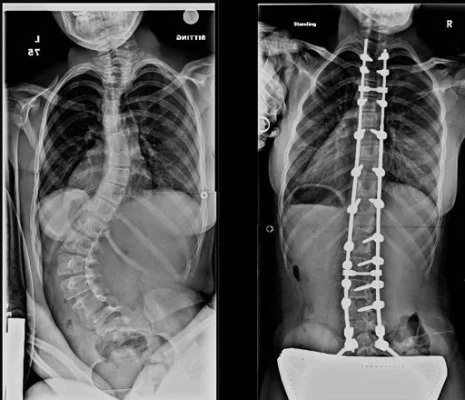
! STOP BENDING NOW !

Sunday, 19 June 2016

New York Spine Institute Brings World-class Spine Care to Long Island

Leading-edge diagnostic capabilities, surgical and nonsurgical technologies, expert staff, and an affiliation with one of the world’s finest orthopedic surgery centers distinguish New York Spine Institute as a tri-state leader in spine care.


The New York Spine Institute has experienced exponential growth, both in terms of reach and capability, since it was founded in 2000 by second-generation orthopedic spine surgeon and Medical Director of the Institute Alexandre de Moura, MD, FAAOS. The wide array of innovative solutions for back and neck conditions now available to Long Islanders is, in large part, thanks to Dr. de Moura’s vision.
“I witnessed my first spine surgery at age 15,” he says. “I knew then I wanted to follow in my father’s footsteps and become an orthopedic surgeon. I’ve dedicated my life to becoming a leader in the field of orthopedic spine care. Founding and guiding the New York Spine Institute is a significant step toward accomplishing that vision.”

True Comprehensive Care

Dr. de Moura has practiced as an orthopedic spine specialist on Long Island since 1996. He opened the first New York Spine Institute location in Westbury. Today, the Institute encompasses 11 locations, with offices in New York and New Jersey.
“We deliver the full spectrum of orthopedic spine solutions to the communities we serve,” Dr. de Moura says. “My vision has always been to bring the highest level of care possible to areas where there is a dearth of convenient access to leading-edge care.”
NYSI-Exam -full 
Alexandre B. de Moura, MD, FAAOS, Medical Director of the New York Spine Institute, and Mindi LeWinter,
radiological technologist, discuss a pain management procedure with a patient.
Such conditions include sciatica, scoliosis, spinal osteoporosis, pediatric and adult deformities of the spine, spinal tumors, traumatic injuries, herniated discs, and spinal infections.

An Eminent Affiliation

Among the many ways Dr. de Moura’s background has helped shape the New York Spine Institute is its close affiliation with New York University (NYU) Langone Medical Center’s Hospital for Joint Diseases, where Dr. de Moura performed a fellowship in orthopedic and neurosurgical spine surgery.
NYSI-Physical Therapy -full 
Michael Friar, DPT, works to restore a patient’s cervical passive range of motion at New York
Spine Institute’s physical therapy facility.
“The NYU Langone Hospital for Joint Diseases is one of the finest facilities in the country for orthopedic care,” Dr. de Moura says. “That is why my associates and I at the New York Spine Institute retain privileges and perform surgery there. There is a rich tradition of orthopedic excellence at the hospital, as well as access to resources, technology and supportive personnel that meet our high standards of care. The affiliation is an ideal fit for the often complex interventions in which we specialize.”

Focus on Imaging

As a full-service spine center, the New York Spine Institute offers on-site access to advanced imaging services for added patient convenience. Clear images of the bone and soft tissue of the spine significantly enhance diagnostic accuracy and help Institute specialists craft treatment plans, track progress and plan complex surgical interventions with a high degree of precision.
A 1.5T high-field, ultra short bore magnetic resonance imaging (MRI) system captures detailed images of patient anatomy using radio waves. The short bore design allows portions of the body to remain outside the MRI machine during scans, reducing feelings of claustrophobia. Other system features, such as a patient’s choice of music to be played during the scan, enhance patient comfort while maintaining a high quality of diagnostic imaging.
NYSI-MRI-full 
Alexandra Inglima, MRI technician, comforts a patient in New York Spine Institute’s MRI suite.
A Kodak Point of Care computed radiography X-ray system allows the Institute team to capture digital images that are easy to manipulate, examine and access. There is also a long-length imaging system for taking pictures of the entire spine to aid in diagnostics and treatment of a number of conditions, such as scoliosis.

The Cutting Edge

While surgery is not necessary for all patients with back and neck concerns, those who require such intervention benefit from the extensive experience of Dr. de Moura and his colleagues at the New York Spine Institute.
“The spine is a complex, delicate structure,” Dr. de Moura says. “Because we are a center of excellence, patients can feel comfortable that we have the familiarity and expertise necessary to successfully address the full spectrum of concerns that affect their spines.”
Such expertise extends to revision operations that require high levels of surgical proficiency. The New York Spine Institute serves as a referral center for tri-state area patients who have had one or more previous surgeries that have not resolved their conditions.
In such cases, alignment is often a key concern. Institute specialists perform pedicle subtraction osteotomy to surgically adjust vertebral alignment by removing portions of the bone and internally bracing the spine to maintain its newly crafted position and restore anatomical structure and function. The complex procedure is planned with the assistance of detailed imaging studies and performed by veteran orthopedic spine specialists for optimal outcomes.
NYSI-Patient Scheduling -full 
Kara Klobus, surgical coordinator, and Cinthya Aviles, front-desk receptionist, review the scheduling of a patient’s upcoming procedure.
NYSI-Therapeutic Exercise -full 
Nicholas Friar, DPT, provides instruction for therapeutic exercise.
New York Spine Institute specialists also helped pioneer the use of artificial disc replacement and were among the first in the region to employ the technique for managing disc herniation and degeneration. Often used in place of a traditional fusion surgery, artificial disc replacement allows for a more natural range of motion and helps extend the life of surrounding structures, reducing the need for future interventions.
Artificial disc replacement is not appropriate for all patients and is not commonly performed on all portions of the spine. For lower back issues, New York Spine Institute surgeons perform anterior lumbar interbody fusion (ALIF), during which a degenerative disc is partially removed and replaced with an implant containing bone graft material that helps restore vertebral spacing, easing tension on the surrounding nerves. The anterior approach spares tissue and speeds patient recovery. Over time, the bone graft grows and fuses the vertebrae together, helping prevent future degenerative issues.

Scoliosis Specialists

Both surgical and nonsurgical scoliosis interventions are available at the New York Spine Institute.
“Scoliosis can affect children or develop later in life in adults,” Dr. de Moura says. “It is a complex condition that requires expert monitoring and care. New York Spine Institute is a premier scoliosis treatment center.”
For some patients, bracing may be necessary to prevent the condition from advancing.
“If surgical intervention is necessary, the procedure is very involved,” Dr. de Moura explains. “Our relationship with NYU Langone’s Hospital for Joint Diseases means we have access to world-class surgical suites for these procedures. My associates are comprehensively trained in this type of care and known around the world as experts. Because specialist care is key to positive outcomes, we have become a national destination for scoliosis care.”
“We maintain a broad spectrum of diagnostic and treatment capabilities under one roof with multiple locations in New York and New Jersey. Our team of experts are all leaders in their fields, and our inpatient care program at NYU Langone’s Hospital for Joint Diseases is unrivaled.”

— Alexandre de Moura, MD, FAAOS, Founder and Medical Director, New York Spine Institute
NYSI-Dr -de Moura Desk -full 
Alexandre de Moura, MD, FAAOS, board-certified orthopedic surgeon, and Founder and 
Medical Director of New York Spine Institute
New York Spine Institute’s scoliosis specialists offer open and minimally invasive surgical interventions and focus on preparing patients for surgery and helping them recover after the procedure for optimal outcomes.

Conservative Options


The robust physical therapy program at New York Spine Institute focuses on the mechanics of joints, ligaments and muscles for improved strength, flexibility, motion and pain control.
Using a combination of exercise, stretching and behavioral modification, licensed physical therapist Michael Friar, DPT, assists individuals with spine concerns. Physical therapy may serve as a standalone conservative treatment or be used in conjunction with other therapies. It also plays a key role in preparing individuals for surgery and helping them recover after a procedure.
“Providing physical therapy at the Institute helps complete the continuum of care we provide,” Dr. de Moura says. “Physical therapy is part of a comprehensive conservative therapy program for many patients. If conservative therapy fails, patients who have surgery return to the same therapist they worked with prior to surgical intervention. That maintains continuity. The therapist knows each individual case and person well, and can build a customized post-surgery physical therapy plan using that information.”
NYSI-Lobby -full 
Front-desk receptionists Cinthya Aviles and Tina McCann greet patients.
The New York Spine Institute also provides physiatry care to assist with rehabilitative physical therapy programming and conservative therapies. The physiatrist focuses on fully understanding the neuromuscular causes of pain, paralysis or deformities of the spine. After conducting comprehensive physical assessments, he uses tools such as nerve conduction studies to gather information about neural response. The physiatrist then uses holistic models to craft treatment plans designed to address all aspects of a patient’s condition, ranging from pain to stress and trouble sleeping.

Pain Management from Every Angle

Pain associated with spinal conditions can be debilitating and chronic, and it often drastically affects a person’s quality of life. It is also a very personal factor of individual health — pain does not happen the same way for everyone, even two people with physiologically similar concerns.
To address the numerous pathways of pain and its variability, the New York Spine Institute employs a variety of professionals and offers different types of therapy so patients can find relief.
The team includes fellowship-trained pain management specialist Debora Mottahedeh, DO, and providers from the North American Partners in Anesthesia — which has an office in the New York Spine Institute’s building — who are fellowship-trained in sports medicine and spine care. They work closely with patients suffering from pain to diagnose and treat their discomfort with a number of therapies, including injections and noninvasive laser therapy.
The mental side effects of pain can also be devastating, limiting a person’s ability to enjoy life or to maintain his or her livelihood. To better understand and address the mental aspect of pain, the Institute depends on veteran pain management psychologist Benjamin Hirsch, PhD.
Hirsch is considered a pioneer in the field of pain, specifically in relation to helping patients who do not respond well to traditional medical therapies. At the Institute, he works hand in hand with patients, helping them learn techniques such as relaxation, diversion and desensitization to alleviate discomfort and improve their mental and physical well-being.
NYSI-Exterior -full 
New York Spine Institute’s Westbury, Long Island, location
Alternative therapies also have a role to play in pain management. Acupuncturist Sharon McDermott, LAC, offers therapy with sterile needles that has been shown to trigger a release of pain-relieving chemicals such as endorphins and stimulate healing and relaxation. Herbology, cupping and Tui Na — a massage modality that incorporates aspects of acupuncture — are also part of the therapeutic offerings at the New York Spine Institute.

A Complete Solution

The wide range of comprehensive care available at the New York Spine Institute is what makes it an attractive option for patients on Long Island and beyond. Healthcare providers in pursuit of innovative options for referring patients are united with specialists with access to advanced technology who are ready to address the full spectrum of spinal health concerns.

Partners in Spine Care


Experience, leadership and a commitment to patients are hallmarks of the care each of the three physician leaders of New York Spine Institute delivers.
Founder Alexandre de Moura, MD, FAAOS, has worked with thousands of patients from across the globe, providing innovative treatments and compassionate care to individuals with a variety of complex spinal issues. His medical philosophy centers on finding solutions uniquely suited to each individual case and approaching patients with respect, patience and understanding.
“It is incredible to work closely with people and see the interventions we offer change their lives completely,” Dr. de Moura says. “They may experience extreme pain and/or be completely prevented from working and enjoying life. Seeing them get their lives back is the most rewarding part of what I do.”
Dr. de Moura has undergone advanced training in bone and neurological spinal disorders. His medical degree is from the Chicago Medical School, and he completed an orthopedic surgery residency at Temple University Medical Center. He is board-certified by the American Board of Orthopaedic Surgery and is a member of the North American Spine Society, American Academy of Orthopaedic Surgeons, New York Medical Society and Nassau County Medical Society. He also teaches as a Clinical Assistant Professor of Orthopedic Surgery at the New York University (NYU) School of Medicine.
Joining Dr. de Moura in practice at the New York Spine Institute are Peter Passias, MD, who specializes in the cervical and lumbar spine, and Angel Macagno, MD, who specializes in cervical spine, lumbar spine, spinal deformities, and adult and pediatric scoliosis.
Dr. Passias joined the Institute in 2010. During his medical education, Dr. Passias completed a residency at Tufts University School of Medicine as well as fellowships in spinal tumors and spinal trauma at the Harvard Combined Spine Fellowship and additional postdoctoral work in a biomechanical engineering research of spinal disorders program at the Massachusetts Institute of Technology.
He is a member of the Scoliosis Research Society, Cervical Spine Research Society, International Spine Study Group and North American Spine Society, often serving as a member of key committees for these organizations.
Education remains close to Dr. Passias’ heart. He works closely with the orthopedic and neurosurgery residency programs at NYU Langone Medical Center to train surgeons on advanced spinal techniques.
Prior to joining the team at the New York Spine Institute, Dr. Macagno was a board-certified orthopedic surgeon in his home country of Argentina for 15 years. After coming to the United States, he completed a spine fellowship at Miami Children’s Hospital as well as a surgical internship and orthopedic surgery residency at State University of New York at Downstate, and another fellowship at NYU Langone’s Hospital for Joint Diseases.
Dr. Macagno is an experienced researcher and writer, as well as a member of the American Academy of Orthopaedic Surgery, North American Spine Society and International Society for the Advancement of Spine Surgery. His practice focuses on spinal reconstruction to assist children, adolescents and adults with spinal deformities or injuries. Timeliness and clear communication are important to him, as is giving back. Dr. Macagno frequently volunteers his time to help individuals in Nicaragua with Health Volunteers Overseas. He specializes in the treatment of scoliosis, kyphosis, tumors and trauma.
For more information about the New York Spine Institute, visit nyspine.com.


Source : MD News , 16th June 2016 

3D printed braces: the future of scoliosis treatment


As many people already know, scoliosis is a relatively common affliction—affecting about 3 out of every 100 people—that is diagnosed when a person’s spinal axis has a deviation. Many cases of scoliosis tend to go untreated, resulting in minor back pains and discomforts, but more severe cases of the spine curvature condition should be treated for the patient to lead a normal, comfortable life. Traditional treatments for scoliosis include physical therapy, bracing, casting, and in the most extreme cases surgery. Bracing, one of the more common treatments, is used to keep the spine in its place, and can even gradually reduce the degree of curvature. Of course, the quality and accuracy of the brace, as well as the ability to adjust the brace is paramount to a proper treatment.
This is where Lelio Leoncini comes in. A surgeon specializing in physical medicine and rehabilitation atWASP Medical, Leoncini has been working on a particularly innovative scoliosis treatment for the the past couple years. That is, since 2014, Leoncini has been working on perfecting custom 3D printed corsets for scoliosis patients.


As he explains, with a condition like scoliosis that is constantly changing and can even be quite unpredictable, having a method of reliably and easily monitoring the patient’s back is imperative. For this, Leoncini has been using a Raster-stereographic tool from Formetric 3D, which has allowed for non-invasive optical recording. He says, “This experience has allowed me to detect the most critical points of the realization of ortopedic corsets and the consequent impact on the effectiveness of brace treatment, but was also an incentive to search for and find technology systems to solve them.”
In making the 3D printed corsets, the first step is a CAD-CAM capture, wherein low cost infrared sensors can effectively 3D scan and capture the patient’s torso. The technology is also capable of simultaneously correcting the patient’s curvature in a digital model. According to the doctor, the modelling time lasts only about 30 minutes. The benefits of 3D printing the brace are also notable: the technology is cost and materially efficient, even once printed the braces can be recycled and modified, they are lightweight and custom fitted, and have a distinct improved aesthetic quality. Leoncini has been working with the DeltaWASP 40 70 3D printer for his braces.


As one can imagine, the accuracy of the brace is crucial for an adequate treatment, and 3D printing could help significantly in this respect. Leoncini explains the significance of technological advancements in the medical field: “I personally have always had a great interest in fields such as computer science and technology in general and I have never failed to combine these interests in my profession. Medicine is a science and as such never reaches a point of arrival. It always needs to be developed in order to offer more possibilities…Innovation is the tool to break down barriers and provide opportunities to the most disadvantaged people.”
3D printing had allowed for some significant advancements within the field of orthopaedics, as one of the world’s leading manufacturers of orthopaedic technology, Stryker, invested in a state-of-the-art 3D printing facility earlier this year, and a number of other practices have begun to incorporate the technology in one way or another.


Source : 3d Printer and Printing News , 17th June 2016

Sunday, 22 May 2016

S is not only for sweet and sassy, but for scoliosis too

Scoliosis is a condition where the spinal cord is bent
– It causes other health related complications and sometimes leads to premature death
– Keziah Wanjau spoke to TUKO.co.ke about her experience of living with scoliosis as well as her surgery and awareness initiative
Out of every one thousand children, three to five of them over the age of ten years develop a spinal curve that is considered serious enough for treatment.
S is not only for sweet and sassy, but for scoliosis too
An image showing the difference between people who have and do not have scoliosis. Image: NHS UK
Despite having facilities for diagnosis and rehabilitation, the country is still grappling with issues of surgery.
“Scoliosis is a condition where the spine is not straight. It is bent. It means that part of the spinal cord is not balanced because once you stand up, it bends in one direction forming a letter’ s’ or c. It meand one of the bones is missing and so an operation would be needed to remove the bone on the opposite side of the missing one or add an additional piece- mainly metal- and fit it in the empty space to straighten the spine,” said Dr Vincent Mutiso, an orthopedic surgeon at the Nairobi Hospital.
On the maximum, it can take up to KSh 2 million to treat and rehabilitate one individual with scoliosis as the only facilities to treat this are found in Egypt and South Africa.
S is not only for sweet and sassy, but for scoliosis too
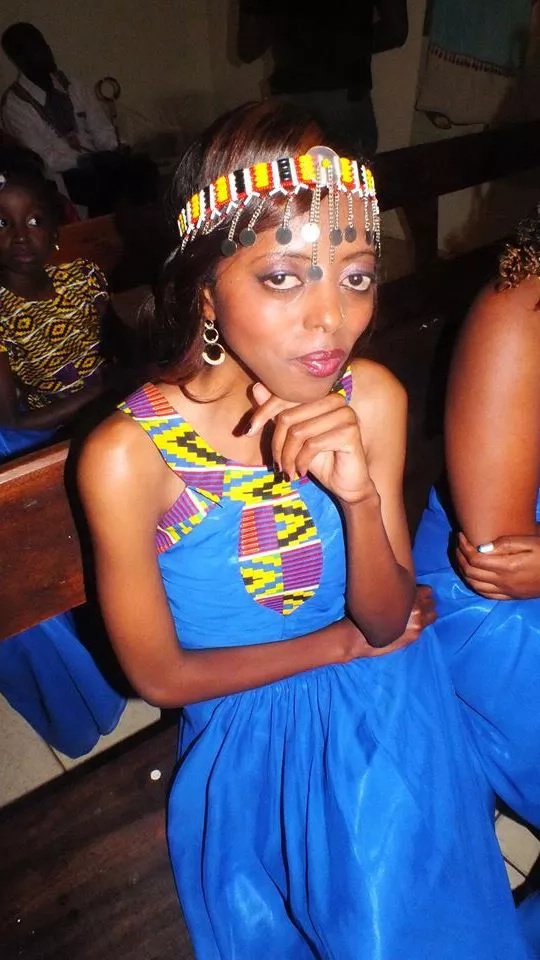
Keziah Wanjau at a wedding event.
One scoliosis survivor, Keziah Wanjau, sat down with TUKO.co.ke and told us her story as well as her awareness initiative regarding scoliosis.
“I was diagnosed with scoliosis in 2006 sometime in mid-June and I didn’t realize how serious it was until my curves started progressing. My family decided that we should go see a certain doctor and he recommended surgery. I was scheduled to undergo one in November the same year and it wasn’t easy,”said Keziah.
Her mother, Mary Wanjau, had met Dr Mutiso with whom she talked to about Keziah’s condition and it was through him that Keziah was able to get treatment. The surgery took over eight hours.
“He mentioned that there were some doctors who were coming to the country on a project with Kenyatta National Hospital to do knee and back surgeries. We weren’t sure they would have a spinal surgery doctor but luckily, there was one when they came in September and she had her surgery,” said Mary
She further added that her surgery was a difficult time for her entire family but it brought them together because they were always praying together as they all took turns to spend time with her at the hospital. She has two other children but they do not have scoliosis


“Equipment has been improving with time. Some of it is donated because we get visitors who come to assist us in this kind of endeavor and very often they leave their equipment behind. It is because of this that we have had a buildup of surgical equipment,” added Mutiso.
In making it her life achievement, Keziah set out on a mission to raise scoliosis awareness in Kenya.
“I have this Facebook page, S for Scoliosis Initiative, where I write my scoliosis story as well as encourage others. Apart from that, I got a tattoo on my arm. It’s a scoliosis ribbon with the word hope on it just to show that there is always hope for everything,” said Keziah.
Her mother told TUKO.co.ke that at first they had refused to allow her to have the tattoo done but when Keziah explained her idea, she came on board.
“She probably got the idea from her grandfather who came back with a tattoo after taking part in the war in Burma. She said that whenever someone would ask her what her tattoo meant, she would then talk about scoliosis and raise awareness,” added her mother.


The ‘Bring Zack Home’ campaign which aimed to raise funds to build a spinal rehabilitation center in Kenya was supposed to bring hope to patients suffering from spine related complications.
The initiative however flopped as no facility has been built to date after Kenyans raised millions of shillings.
Had she not gotten treatment, Keziah would have experienced heart and lung complications associated with scoliosis.
The condition is also known to cause premature death in patients.

“People should know there is treatment available. They should not lose hope because they would not have anything to look forward to,” concluded Keziah.


Source : TUKO , May 2016


Getting together to send little Charlie to US for life-changing treatment


Community groups in the Ballinderry area of Co Derry are getting behind a ten month-old baby living with a rare spinal condition to raise enough money so he can travel to America to avail of specialised medical treatment.
Little Charlie Ferris was diagnosed with infantile Scoliosis back in February.
If left untreated, the spinal deformity can lead to severe twisting of the spine, respiratory problems and even decreased life expectancy.
Charlie’s anxious parents, Jody and Donna, have vowed to do everything in their power to help their baby boy.
Following hours of research, his mum discovered specialised Scoliosis treatment offered at Shriner’s Hospital, Philadelphia which could potentially avoid invasive surgery.
Medical experts at Shiner’s Hospital believe that early diagnosis and treatment is key for a better outcome.
Following a lengthy application process, Charlie was accepted on to the treatment programme.
On April 3, Jody, Donna and their four children flew to Philadelphia.
Just a few days later, Charlie was fitted with a Mehta cast, which has been specially designed to correct the curve in his spine.
In the months and years ahead, little Charlie and his parents will make that same journey, to get the cast refitted.
His doctors don’t know who long Charlie will need treatment, or if it will rule out surgery in the future, but Jody and Donna are willing to do whatever it takes.
During the family’s time in America, local community groups in the Ballinderry area combined forces to launch a fundraising drive for Charlie’s treatment.

Louis Vause's Daughter Melody Beats Back Pain with Scoliosis SOS


Melody receives treatment for her scoliosis

Louis Vause is a pianist known for his work with the likes of Madness and Blur guitarist Graham Coxon. Two years ago, Vause's daughter Melody was diagnosed with scoliosis, an excessive sideways curvature of the spine; once this diagnosis had been made, Louis and Melody were told that surgery was probably the only way for Melody to escape the pain that was quickly becoming a large part of her everyday life.

"It was quite upsetting to know that the only option was a huge operation," recalls Melody, now a 22-year-old interior design student. Father and daughter were initially resigned to the surgical solution, but after doing some research, they decided to look for an alternative: "It was only when Melody showed me the - frankly quite frightening - pictures of the operation that I though, 'Oh God, if it goes wrong it's paralysis or something like that'," says Vause.


After a series of online searches, it was decided that Melody would attend a treatment course at the Scoliosis SOS Clinic in London. These courses are designed to help scoliosis sufferers to overcome their symptoms without any surgical intervention; this is achieved through exercise-based techniques such as the Schroth method, which originated in Germany in the early 20th century.

The results were phenomenal. "From day two, I already felt a significant difference," says Melody, and her father agrees: "I couldn't believe it...I went, 'Already? Day two?!'"

Melody is just one of many scoliosis sufferers to have benefited from the Scoliosis SOS Clinic's non-surgical treatment courses. To find out more, please visit the following links:

SCOLIOSIS SOS WEBSITE
scoliosissos.com/


Source : OPen PR , 18th May 2016 

‘Life is on hold’ for scoliosis sufferer

‘Life is on hold’ for scoliosis sufferer
                                                                     Aisling Corcoran

A scoliosis sufferer, who has been on the waiting list at University Hospital Galway (UHG) for almost two years, has said her “life is on hold” until she undergoes her surgery.
Aisling Corcoran has had to deal with her condition getting progressively worse while she waits to be called for surgery.
Ms Corcoran, who is originally from Castlebar, Co. Mayo, was first diagnosed with scoliosis, a painful curvature of the spine, when she was 13 and had her first operation carried out in Crumlin in 2000 where she had rods put in her back.
However the rods had to be removed in 2013 due to infection and the operation was carried out in UHG.
Since then the now 29-year-old has been waiting for another scoliosis surgery to change the position of her spine.
“My life is on hold. I can’t do anything career-wise or even go on holidays or anywhere because I’m thinking they might ring and give me a date,” she said.
The Galway Independent first spoke to Ms Corcoran in January of this year and she said she has “no update” more than three months later.
Ms Corcoran said she is in “severe pain” and still has no date for when she will get to have the operation.
“Mostly in the mornings I’d have a lot of pain and in the evenings then I get tired.
“It is severe and it’s affecting me with different things like chest pains and it makes me agitated more than anything, it’s hard to relax,” she added.
As well as weekly visits to her GP, Ms Corcoran has been attending physio twice a week in an attempt to gain some relief from the pain. However that relief is only temporary she says and long-term it has no real benefit.
Ms Corcoran said she has also contacted Fine Gael TD Michael Ring as well as Taoiseach Enda Kenny in a bid to hurry up her surgery but, as of yet, her attempts have been to no avail.
She said her and her family remain anxious until she gets a surgery date.
“My family are very worried as well. They’re stressed about it too.”
Gary Farrell, founder of support group Scoliosis Ireland, has also been pushing to get Aisling’s surgery underway.
He said the waiting times being endured by Aisling and other patients is “absolutely ridiculous”.
“For some reason Galway, because it has the lesser numbers, it does get pushed a bit and it’s ridiculous because it’s as important in one end of the country as it is in another,” he said.
According to Mr Farrell the long delays can cause increased deformity in the patient, leading to more complex surgeries and longer recovery times.
The group are currently petitioning to get school screenings made available as well as trying to bring down the waiting times for children.
He said early intervention is key and school screenings provide the chance to detect early curvatures.
“These are vital to try and get a curvature detected early. It doesn’t necessarily mean it’s going to lead to anything, the curvature might not progress, but at the end of the day at least it’d be on the system to be seen rather than a parent copping it or somebody in a school copping it,” he said.
“At least if we had these screenings back in place in the schools a curvature is easier detected because you’ve trained people and specialists going around to each school which there is only one in the country at the minute so we’re trying to really push for the screenings back in the school,” he added.
The group have set up a petition and have plans to send it to the new Health Minister Simon Harris.


Source : Galway Independent , 18th May 2016 

Pediatric scoliosis surgical site infection: Does metal type make a difference? 5 key notes

A new study published in Spinal Deformity examines whether the type of metal instrumentation used in pediatric scoliosis correction affects surgical site infection.
The study authors examined 874 patients who underwent 1,156 procedures between Jan. 1, 2006 and Dec. 31, 2008. The procedures took place at one of three large children’s hospitals and included at least one year follow-up. The researchers found:

1. The breakdown of metals used in the procedures was:

• Stainless steel instrumentation: 65 percent
• Titanium instrumentation: 21 percent
• Cobalt Chrome and titanium hybrid instrumentation: 14 percent

2. The overall infection risk per procedure was 6.1 percent.

3. The titanium implants had the highest risk of surgical site infection, with 6.7 percent of the patients developing SSI. The cobalt chrome patient group wasn’t far behind, with 6 percent reporting SSI. Only 5.9 percent of the stainless steel group developed SSI.

4. There wasn’t a significant difference in the metal type used between patients with and without infections when adjusting for etiology, instrumentation to pelvis and procedure type.

5. The multiple regression analysis didn’t find a significant difference in SSI between the metal groups when stratified based on etiology.


Source : Beckers Spine , 17th May 2016